Orville Peck Live 2026
Orville Peck's current live run carries the shadowy, cinematic spell that defines his records, pairing a baritone voice with arrangements drawn from classic country, desert-noir Americana, and reverb-soaked production. At these shows the atmosphere often feels deliberate, with low amber lighting and a masked frontman whose stillness commands the room, so the songs unfold more like a slow-burning western story than a run of hits. The crowd is a wide and devoted mix of longtime queer country fans, alt-folk and indie listeners, and newcomers drawn in by the theatrical look and the distinctive voice, many singing along to the choruses with real conviction. What makes this run worth following is its reach and its range of rooms. The itinerary spans a broad set of cities and several venue types, and each space shapes how the material lands, from intimate halls where every lyric carries to larger stages where the production can expand. The typical set balances tension and release, moving from brooding, slower numbers into bigger, more driving moments before pulling back for a quiet close, so the pacing feels considered rather than rushed. Whether you are a longtime follower or simply curious about how these songs translate in person, the show rewards attention from start to finish. Check the dates table below to find a stop near you, confirm venue details and showtimes, and plan your night around the performance.
Listen on Spotify
Orville Peck Tour Dates 2026
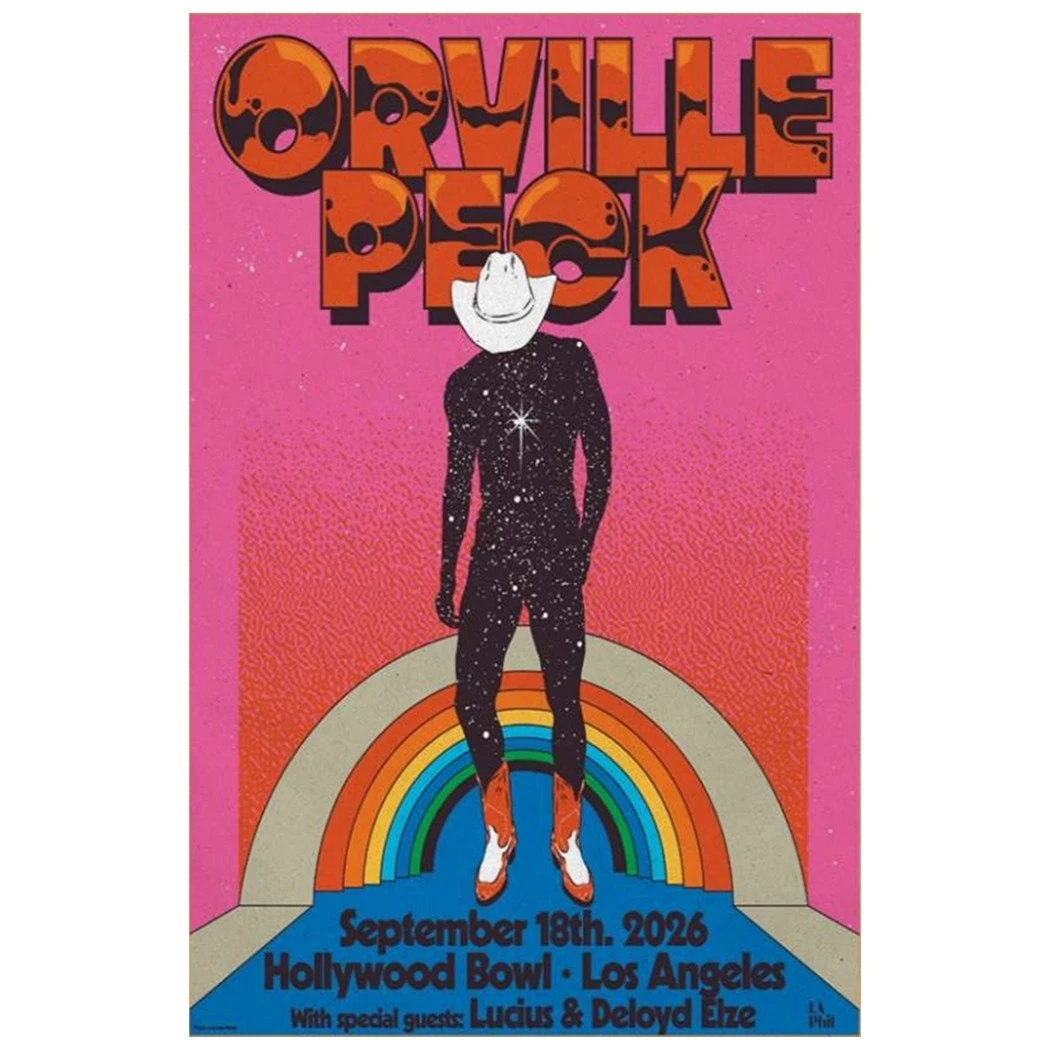
Tour Poster
Video
Photos
About Orville Peck
Orville Peck is the stage name of a masked singer-songwriter whose solo project has grown into a touring act with a band assembled around it. The fringed mask has become central to the project's identity, and the performer's offstage identity has stayed private. The music draws on country, Americana, and the sweeping arrangements of western film scores, but it leans more toward atmosphere than traditional honky-tonk. The baritone vocals sit low and often carry heavy reverb, which makes them feel both distant and intimate. Pedal steel, clean and twangy electric guitar, and restrained drums form the core of the sound, while synthesizer pads and washes of echo add a cinematic, slightly uneasy texture.
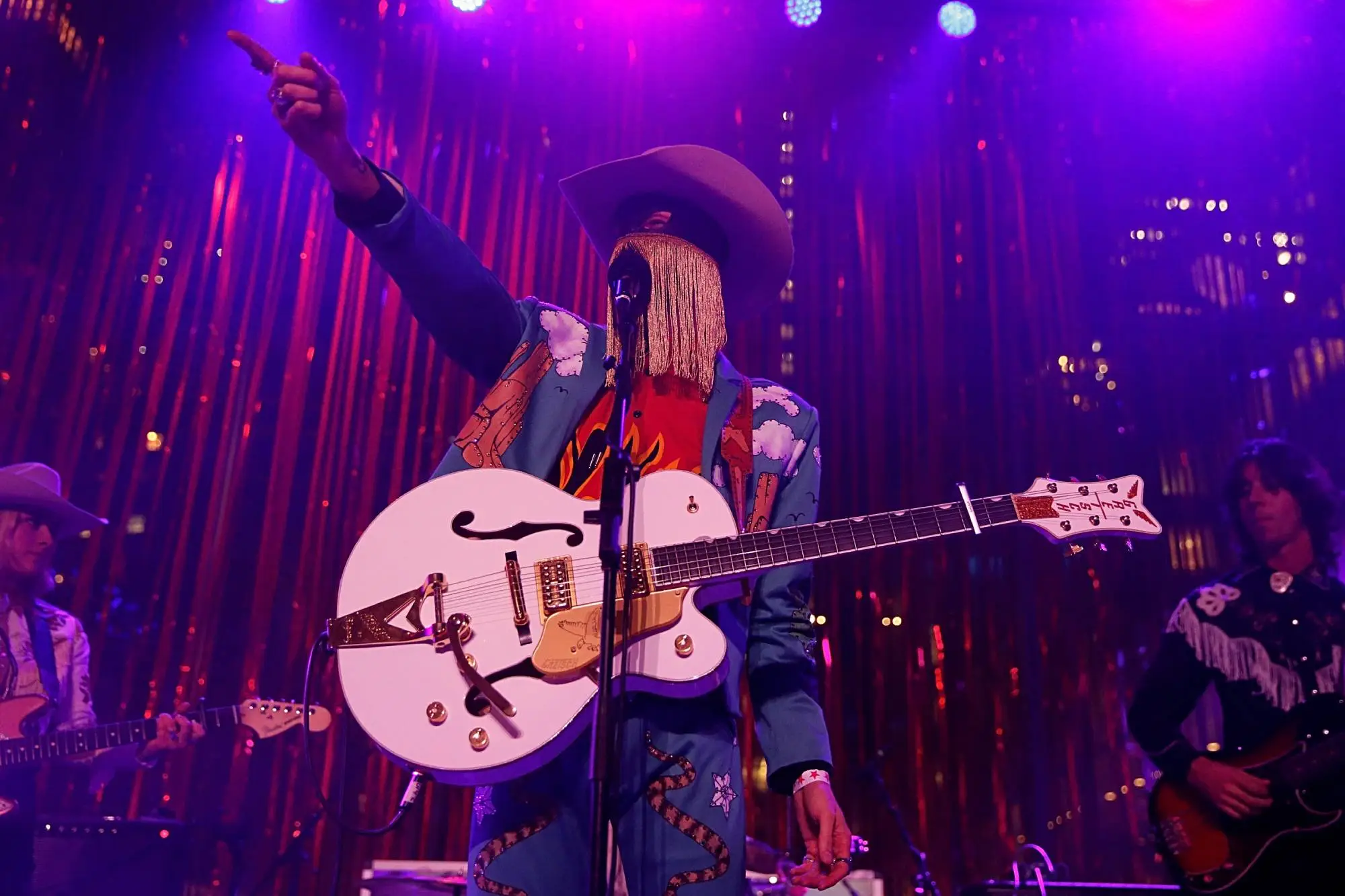
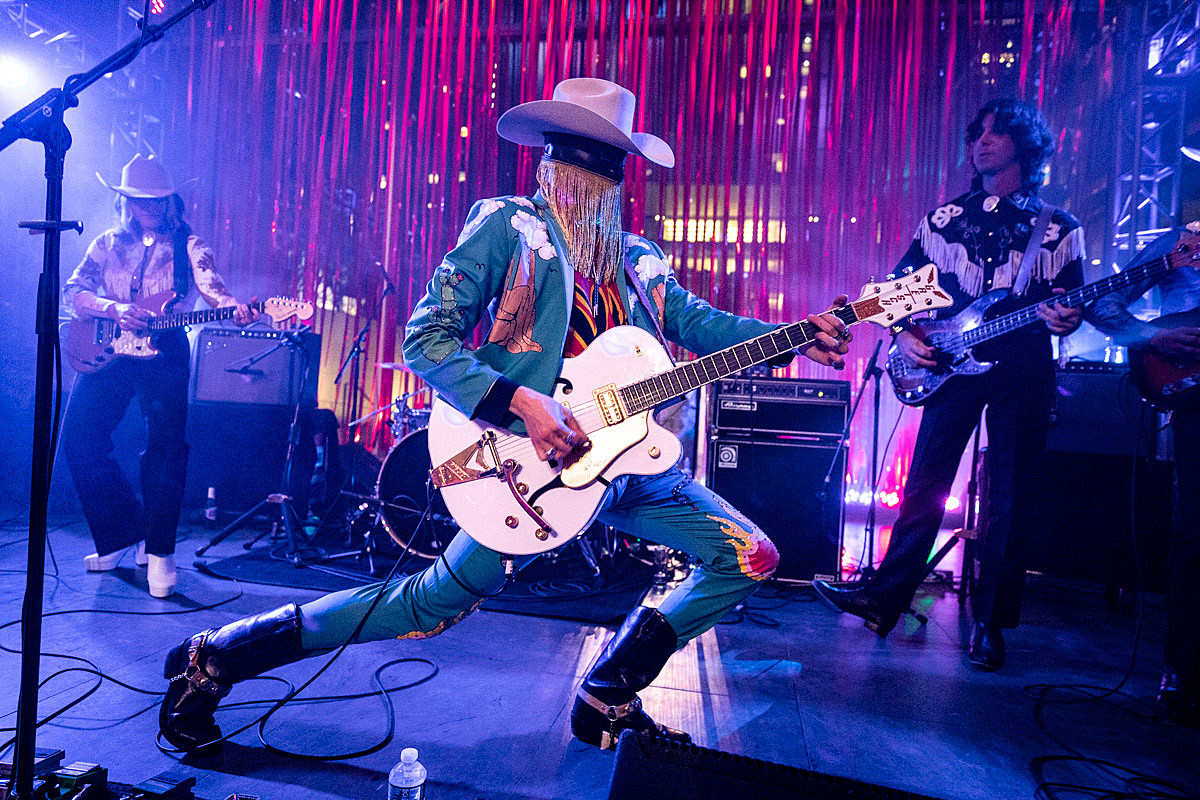
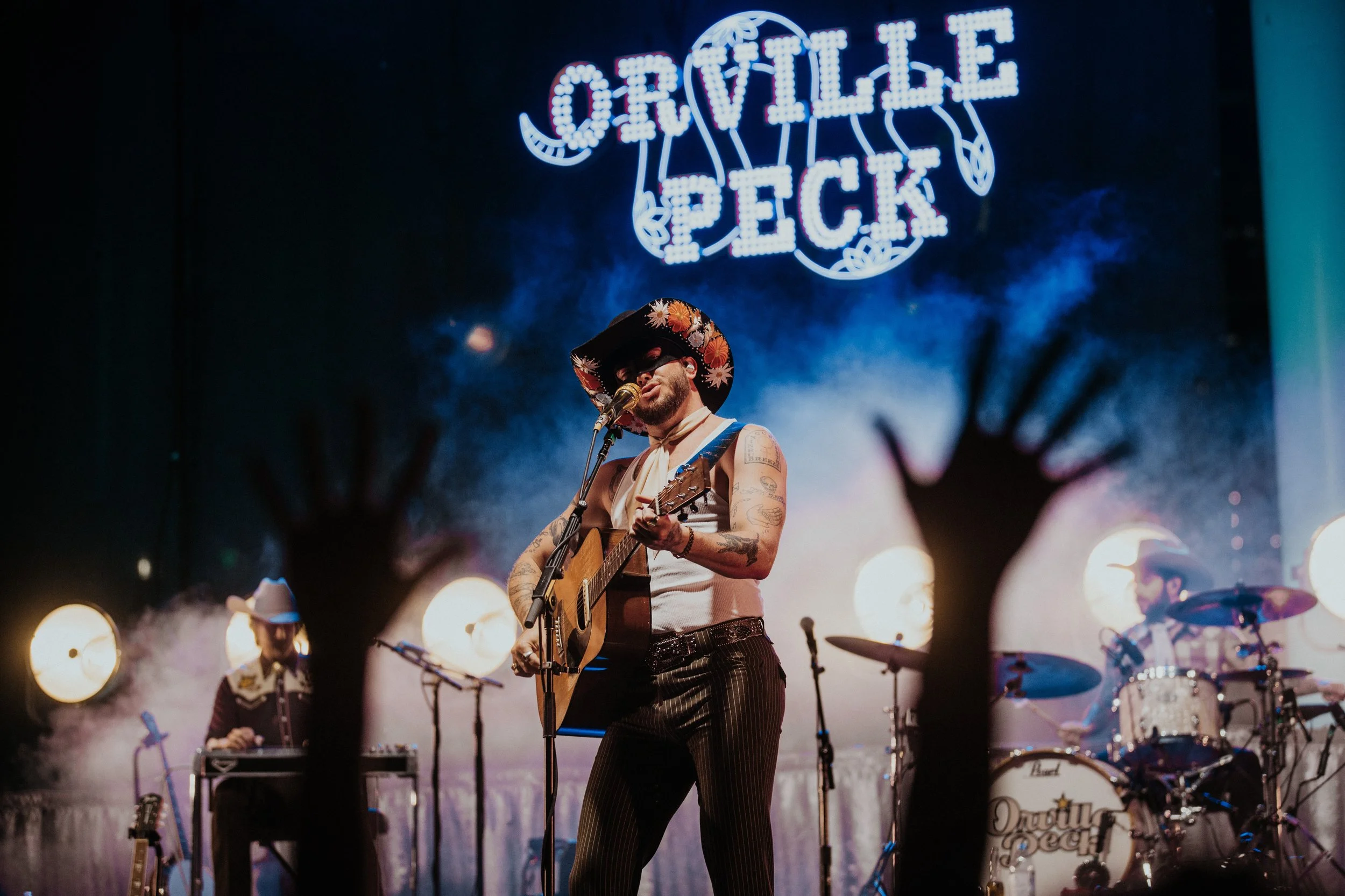
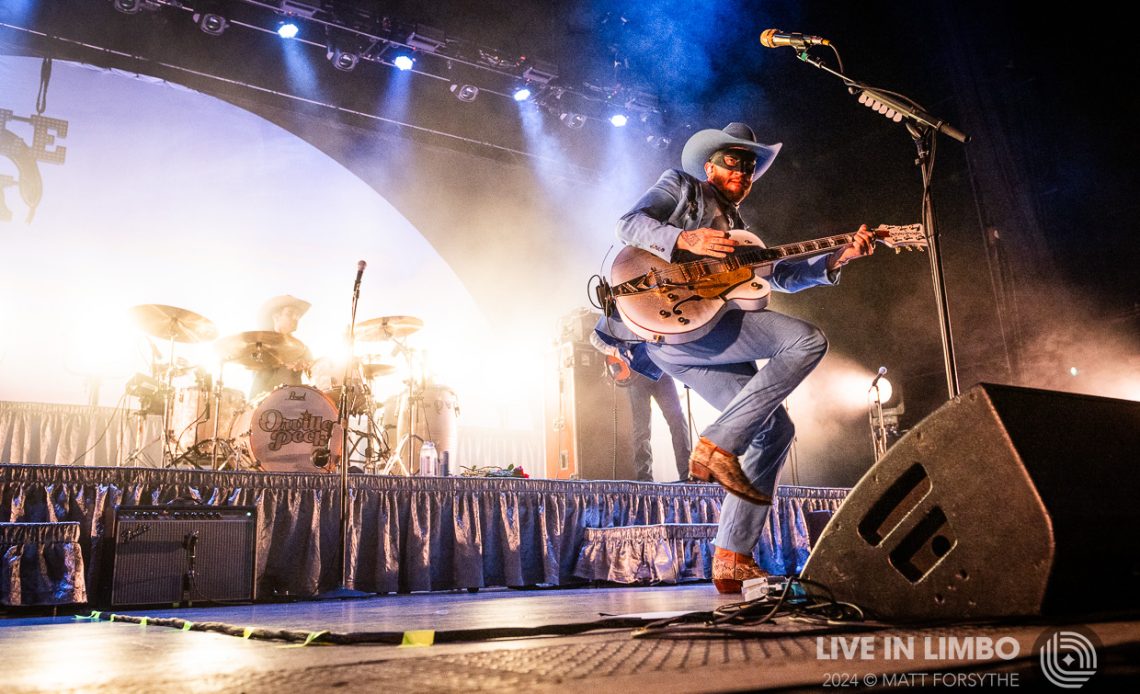
The live show is built around that same contrast between grandeur and restraint. Lighting tends to be moody and deliberately theatrical, with colored washes, haze, and an overall Western-gothic look that suits the mask and the songs' sense of drama. The setlist generally moves between stomping, rhythmic numbers and slower ballads, so the energy rises and falls in a way that rewards close attention. Songs from the debut album sit comfortably beside material from later releases, and the pacing gives the vocals room to land. Venues are typically theatres and mid-sized halls rather than large arenas, and that scale suits the material, since the quieter passages depend on a room that can hold silence.
The project's first full-length album, Pony, introduced the masked persona and the songs that established its reputation, including the widely known track Dead of Night. The record's blend of classic country structures and reverb-heavy production set the template that later work developed. Its follow-up, Bronco, expanded the sonic palette and kept the same dark, romantic Western imagery, reinforcing the act's place as a distinct voice rather than a conventional country revival. The project has also appeared on festival bills in several countries, which helped it reach audiences beyond the alt-country circuit where it first gained traction. Readers interested in the catalog will find that both albums reward listening from start to finish, since their tone and recurring themes give the records a consistent identity.
Orville Peck sits at a crossroads between alt-country, Americana, queer country, and the moodier edges of indie rock. The audience reflects that position. Longtime country and roots listeners appear alongside LGBTQ+ fans drawn to the queer-coded Western iconography, and alternative music listeners who appreciate atmospheric, cinematic production make up another large segment. Listeners who respond to classic baritone crooners, the darker corners of mid-century country, or the brooding textures of post-punk and gothic rock tend to enjoy the band most in person. The crowd is often mixed in age and background, which gives the shows a communal feel that many fans describe as one of their main draws.
For practical planning, headline sets generally run around seventy-five to ninety minutes, with a short break before any encore. Openers are usually singer-songwriters or alt-country acts working the same touring circuit, so arriving early is worthwhile for those who enjoy discovering new artists. The room tends to be attentive and respectful during the quieter songs and more vocal on the uptempo choruses, with many attendees singing along to the familiar material. Doors and venue policies on phones, cameras, and merchandise can vary by location, so it is sensible to check each venue's listing before attending. Dressing in western-inspired clothing is common but never required, and the atmosphere is generally welcoming to first-time visitors.
The upcoming dates are listed below, and readers can browse them by city, venue, and date to find a show that fits their schedule. Each listing includes the venue and start time, so it is easy to compare options and plan travel or accommodation in advance. Checking ticket availability early is a good idea, since theatres and mid-sized rooms can sell through quickly. Whether you are a longtime follower of the project or someone encountering the music for the first time, the dates below offer a straightforward way to see the act in person and decide which performance suits you best.
FAQs
Where can I buy tickets for an Orville Peck concert?
Tickets are usually sold through the official ticketing partner listed on Orville Peck's website or social media channels, and through major platforms such as Ticketmaster in many regions. Buying from the official link or an authorized seller helps you avoid counterfeit tickets. Be cautious of resellers that charge well above face value or ask for payment outside the platform.
How much do Orville Peck concert tickets cost?
Prices vary by city, venue size, seat location, and date. Ticket prices are set by the promoter and venue, and they are listed on the event page before purchase. Fees, such as service charges and facility fees, are often added at checkout, so the final total may be higher than the base ticket price shown.
What is the age policy for Orville Peck concerts?
Age requirements depend on the venue and the show. Some concerts are all ages, while others are 18+ or 21+, particularly when alcohol is served. Children may need a ticket even if they will not be seated separately. The age policy is listed on the event page, and you should check it before buying tickets, since policies can differ between venues on the same tour.
Are VIP packages or meet-and-greet options available?
VIP options, such as upgraded seating, early entry, or merchandise bundles, are offered for some tour dates and are often sold through the official fan club or the artist's website. Availability is limited and varies by city, so check the official site for the packages offered at your show. Meet-and-greet opportunities, when offered, are typically sold separately and have limited capacity.
What is the refund policy if I cannot attend or the concert is canceled?
Tickets are generally non-refundable and non-exchangeable unless the event is canceled or rescheduled. If a show is canceled, the original ticket purchaser is usually entitled to a full refund, which is processed by the point of sale. If a show is postponed, your existing ticket typically remains valid for the new date, and refund options may be offered for a limited window. Check the terms on your ticket confirmation for the exact details.
Live tour and ticket guide
This is an independent fan-made guide to live events and ticket listings. This website is not affiliated with, sponsored by, or endorsed by Orville Peck, any venue, or any ticket provider. We may earn a commission from ticket and hotel links at no extra cost to you.
Follow Orville Peck